Building a Predictable Golf Club Sales Pipeline

Most clubs think the answer is to chase more enquiries. That sounds sensible until you sit in a committee meeting and realise the inbox is already full, the website is already bringing in interest, and the club is still losing people because nobody is handling the lead properly. The problem is usually response time, qualification, ownership, and follow-up discipline, not raw enquiry volume.
That is why a golf club sales pipeline matters. A club can lose members it never spoke to, not because demand is weak, but because the process between enquiry and visit is loose. For practical context, it helps to read a solid B2B process guide for 2026, then translate the same discipline into a golf club environment where enquiry handling is often the weak link. If you want to see how enquiry leakage shows up in club operations, the related guide on how most golf clubs lose 30% of enquiries without realising is the blunt version of the same problem.
The clubs that grow predictably are rarely the ones with the flashiest campaigns. They're the ones that can see every lead, know who owns it, and move it forward without relying on memory, goodwill, or one staff member chasing everything alone. That's the standard worth building.
Why Most Golf Clubs Lose Members They Never Met
The easy assumption is that more enquiries should mean more members. In practice, many clubs already have enough interest to replace natural attrition, because natural membership attrition is typically 5% to 8% annually GolfRep UK pipeline management guidance, and membership conversion from enquiries sits at 8% to 12% of qualified enquiries in the UK framework cited by GolfRep's pipeline guidance, based on GGA Partners benchmarking. The issue starts after the enquiry arrives. A clear comparison with the B2B process guide for 2026 shows the same pattern seen in other service businesses, the gap is rarely demand, it is handling.
The leak is usually inside the process
In committee rooms, the same four problems come up again and again. The first is slow first contact, where an enquiry lands and sits until someone has time. The second is unqualified leads being pushed too early into a membership conversation, which wastes time and makes the club sound pushy.
The third is no clear ownership of stages, so nobody can tell whether marketing has done its job or whether the office has dropped the ball. The fourth is lost context between marketing, front-of-house, and the PGA team, which forces the prospect to repeat themselves and makes the club look disorganised.
A disciplined pipeline is not a marketing extra. It is the operating system for replacing leavers, protecting lead quality, and making sure the club can see where the enquiry flow is stalling. If you want a blunt example of how enquiry leakage shows up in club operations, the guide on how most golf clubs lose 30% of enquiries without realising sets it out clearly.
Practical rule: if you can't say where a lead is, who owns it, and what the next action is, it isn't in a pipeline yet.
Enquiry generation gets attention, but enquiry handling gets results. A club with average lead volume and strong follow-up can outperform a club with more traffic and weaker process. That is why the question is not “How do we get more leads?” It is “How do we stop losing the ones we already have?”
The Seven Pipeline Stages Every Club Should Track

A useful pipeline starts with control, not volume. Every enquiry needs a named stage, a clear owner, and a defined exit, otherwise the club is just storing contacts and hoping someone follows up. That is why a golf club sales pipeline should reflect the path from first response to member decision, not whatever happens to sit in a shared inbox.
GolfRep's UK guidance breaks that path into enquiry received, contact made, qualified, visit booked, visit attended, proposal sent, and closed won or lost (GolfRep pipeline stages). Those labels give the team a practical map, because each stage answers a different question. Has the lead been logged. Has someone spoken to them. Is the prospect ready for a visit, or still early in the process.
What each stage means in real club terms
| Pipeline Stage Benchmarks for UK Clubs | |||
|---|---|---|---|
| Stage | Owner | Exit Criterion | Benchmark to Next Stage |
| Enquiry received | Marketing, office, or membership lead | Lead logged with source and timestamp | Immediate entry into contact stage |
| Contact made | Membership or front-of-house | Proper two-way contact established | Enquiry to contacted should be high and fast (Oviond CRM recommendations) |
| Qualified | Membership lead or PGA team | Intent, fit, and suitability confirmed | Progress to visit or trial |
| Visit booked | Membership lead | Date and format confirmed | Contacted to toured should sit in a healthy range (GolfRep sales pipeline guidance) |
| Visit attended | Front-of-house, membership, or PGA team | Prospect attends and engages | Toured to offered should hold up if the visit is well handled (GolfRep sales pipeline guidance) |
| Proposal sent | Membership lead | Offer, pricing, or next step sent | Offered to joined should stay firm when objections are handled properly (GolfRep sales pipeline guidance) |
| Closed won or lost | Membership owner | Final outcome recorded with reason | End of cycle, ready for reporting |
The table matters because it shows where clubs lose momentum. If enquiry to contact slips, response time is usually the problem. If contact happens but visits do not get booked, the team is probably qualifying too loosely or failing to make the next step obvious. If visits are happening but offers do not turn into joins, the issue sits in the conversation, the pricing explanation, or the follow-up after the visit.
A club that manages this well does not depend on one organised person keeping everything alive. It depends on stage ownership, timestamped movement, and a clean handoff at every point. That is what separates a working golf club sales pipeline from a pile of names that never gets acted on.
The CRM should make this visible at a glance. If the team cannot tell where a lead sits, who owns it, and what happens next, the pipeline is not doing its job.
Setting Up the CRM and Automations That Hold the Pipeline
A pipeline becomes useful only when the CRM can carry it. That means every enquiry needs the same core fields, the same stage names, and the same timestamps, otherwise reporting turns into guesswork. For clubs that want a benchmarked view of CRM choice and setup, the Oviond CRM recommendations are useful context for thinking about how systems differ, even though a golf club should still choose around its own workflow.
The fields that matter first
The first pass should be plain and practical. Capture source, playing intent, stage, date received, date first contacted, and owner. If the CRM can't show those fields on one screen, it will be hard for the office or membership team to use under pressure.
Instant acknowledgement matters because it stops the dead air that makes clubs look inattentive. The automated reply should confirm receipt, say who will respond next, and set a simple expectation around what happens after the enquiry. That alone prevents a lot of drift.
The bigger win is the 24/7 layer. Enquiries arrive at odd times, after work, after golf, and often when the office is shut. A basic automation can acknowledge the enquiry, tag the source, and alert the right person without waiting for morning admin. That is not flashy, but it protects revenue.
What to switch on in week one
- Web form capture: make sure website enquiries land directly in the CRM, not in a shared inbox where they get missed.
- Stage timestamps: log when the lead entered each step, so you can spot delays.
- Owner assignment: every new enquiry should have one named person responsible.
- Basic dashboards: track source, stage, and open opportunities.
- Automated acknowledgement: send a clear, immediate response.

The best CRM is the one the team uses. A clever platform that nobody updates is worse than a simple one with clear rules. If you want a practical benchmark for what a golf club CRM should do, GolfRep's own guide on golf club CRM is the right place to compare those expectations with club reality.
What changes quickly is visibility. Once the fields, alerts, and dashboards are in place, a club can see where leads are slowing down, which source is producing useful conversations, and whether the office is moving prospects or just storing them.
Qualifying Leads So Sales Effort Matches Real Intent
A lead that arrives quickly does not always deserve quick sales effort. Clubs lose time when every enquiry gets the same level of attention, even though some people are ready to talk about membership and others are only testing whether the club fits their playing pattern, lifestyle, and budget. GolfRep's guidance says clubs should assess playing intent, lifestyle fit, commitment level, and commercial value at form stage, then route enquiries accordingly (GolfRep membership sales guidance).
Score the enquiry before you spend time on it
A simple qualification model can sit in a spreadsheet or CRM. It does not need to be complicated. It needs to answer one practical question, who gets a human call now, and who should be nurtured with lighter-touch follow-up until the timing is better.
That matters because many enquiries are early-stage. Golf Life Insights' 2025 buying trends report says the typical transition window for a prospective member lasts 12 to 14 months, nearly 80% of prospects are searching for both a golf club and a home at the same time, and 50% prefer to live outside the gates of the club community (GolfRep sales pipeline context). Clubs that ignore that delay end up treating every form fill as an immediate sale, which is where time gets wasted.
The better approach is to sort by intent first. A golfer who is actively comparing clubs, has clear budget awareness, and is a local fit should reach a person quickly. A softer lead can enter a longer nurture path that keeps the conversation alive without forcing a membership pitch too early.
Practical rule: route the lead by intent, not by order of arrival.
One useful scoring grid can rest on three checks. Does the person look like an active buyer. Does the club fit their playing profile and day-to-day expectations. Is there enough commercial value to justify immediate human time, or should the lead be kept warm automatically for later review. The exact score matters less than using the same rules every time.
Clubs that apply this discipline stop spending PGA time on low-fit enquiries. They also avoid missing the prospects who were quiet at first but turned out to be strong opportunities once the club matched their needs properly. That is the primary benefit of qualification. It protects attention and keeps the sales effort tied to genuine intent.
For clubs that want a more structured way to score and route early interest, the guide on AI lead qualification for golf clubs shows how that logic can sit behind the first response without making the process feel cold.
Follow Up Cadences and Ready to Use Message Templates
A pipeline without a cadence is just a list. Golf clubs do not usually lose prospects because the first message was wrong, they lose them because the follow-up trail is uneven, and the prospect drifts while the club waits for a better moment. The long UK decision window makes patience important, but patience still needs a clear structure.
The practical answer is to match the rhythm to the lead. A golfer who has shown clear intent should get a fast, personal reply. A softer enquiry can move into a slower nurture sequence that keeps the conversation alive without forcing a membership pitch too early. That approach protects attention and stops the inbox from becoming a holding pen for half-finished conversations.
A simple 14 day rhythm
Day 0 should always be the acknowledgement. Day 1 should be a proper personal reply if the lead is qualified. Day 3 is a good point for a visit invitation or a short clarification message. Day 7 should be a softer check-in if there has been no response. Day 14 is the point to decide whether the lead moves into nurture or needs one last human attempt.
That rhythm works because it gives the prospect space without letting the enquiry go stale. It also fits the reality that many prospects are not ready to commit on the same day they enquire, especially when they are comparing clubs, locations, and lifestyle fit over time.
If the lead is not ready, keep being useful. Do not keep being louder.
Templates the team can adapt
First acknowledgement email
Thanks for getting in touch, we have received your enquiry and one of the team will review it shortly. If you would like to help us direct your message sooner, reply with whether you are looking for membership, a visit, or more information about the club.
Visit invitation SMS
Thanks for your enquiry. We would be happy to arrange a visit and show you around. If you would like, reply with a couple of times that suit you and we will find the best option.
Post visit follow-up email
It was good to meet you today. If you have any questions about joining, family use, or what membership would look like for you, reply directly and we will give you a clear answer.
Re-engagement after silence
Just checking whether you would still like to explore membership. If now is not the right time, I can send a few useful updates so you have the information when you need it.
Objection handling for value for money
A lot of people ask the same thing early on. The right comparison is not just cost, it is how often you would use the club, how much flexibility you need, and what experience matters most to you.
Those messages work because they are clear, not pushy. They also reflect the fact that nearly 80% of prospects are weighing up club and home at the same time, and 50% prefer to live outside the gates, so the tone has to be informative rather than urgent. As noted earlier, the wider pipeline context matters because most value is lost after the enquiry lands, not before.
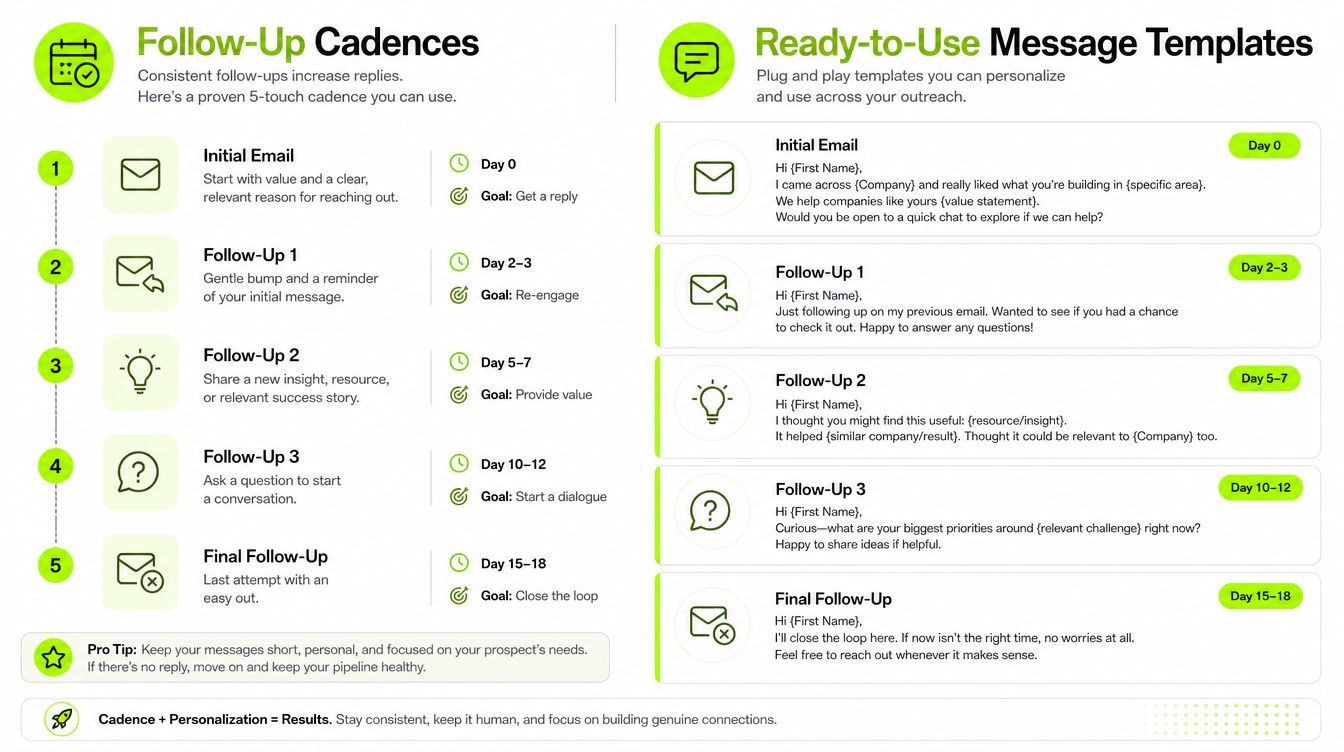
The common objections, joining fees, time commitment, family suitability, and value for money, usually need calm explanation rather than a hard sell. Clubs that answer those questions plainly tend to keep more prospects moving, because the response feels considered instead of automatic.
Handoffs Between Marketing, Front of House and the PGA Team
The most common failure isn't the enquiry itself, it's the handoff. A paid campaign generates interest, the office sees it first, then the lead gets passed to a PGA professional with no context, and the prospect ends up repeating themselves. That's how clubs create friction without meaning to.
Three handoff situations that need rules
A campaign lead should move quickly from marketing into membership or front-of-house with source, message theme, and initial intent attached. If that information doesn't travel with the lead, the recipient has to start from scratch, which makes the club feel fragmented.
A society or corporate enquiry should be treated differently. It may not be a membership lead today, but it could become one later, so the routing should keep that history visible rather than burying it in a separate inbox. A phone enquiry during a busy morning needs the same discipline. If it can't be answered properly, it should still be logged immediately with a promised call-back time and the context captured while it's fresh.
A good handoff does two things. It keeps the lead warm, and it prevents the same awkward questions being asked twice. That matters because prospects judge the club on how the first conversation feels, not just on the final offer.
What should travel with the lead
- Source and reason for enquiry: so the next person knows where it came from.
- Current stage: so nobody repeats a step or skips one.
- Any stated preference or objection: so the welcome feels informed.
- Next action and owner: so the lead doesn't stall between desks.
The handoff isn't administrative detail. It's the moment trust is either reinforced or lost.
Visit day also needs a script, even if it's only a short one. Greeting, tour, and proposal should feel connected, not improvised. The front-of-house team should know who is arriving, the PGA team should know what matters to the prospect, and the membership lead should know when to step in with the next action.
A shared workflow is the only way this stays consistent. Once that is in place, the club stops behaving like separate departments and starts acting like one sales system.
KPIs and the Weekly Pipeline Review That Keeps It Honest
A club does not need a large dashboard to keep membership sales under control. It needs a small set of numbers that show where enquiries slow down, where staff miss the handoff, and where follow-up loses pace. The useful habit is a short weekly review, not a long report that nobody acts on.
The numbers worth looking at every week
Track enquiries by source, speed to first proper contact, contact rate, visit or trial booking rate, stage-to-stage conversion, and closed-lost reasons. Those measures are enough to show whether the problem sits with lead quality, response discipline, scheduling, or the quality of follow-up.
Keep the review direct. The room should be limited to the people who can change the outcome, usually the membership lead, front-of-house, the PGA representative, and whoever owns marketing or enquiry handling. The meeting is not there to admire the dashboard, it is there to make decisions while the leads are still active.
If contact rate is weak, look first at response time and call-backs. If visit booking is weak, the first conversation is usually too vague or too slow to create commitment. If offered to joined is weak, objections are being left too late in the process, or they are not being handled clearly enough. Stage-to-stage conversion matters more than a single headline figure because it shows where the process stalls.
A simple weekly review format
- Check new enquiries and source mix.
- Review leads stuck in the early stages.
- Look at booked visits and attended visits.
- Scan lost reasons for patterns.
- Agree the next actions and owner before the meeting ends.
A club does not need to rebuild months of history before it starts. The clearest approach is to begin from today, keep the records clean, and review live opportunities rather than arguing over old data. A fresh start gives the team better visibility much faster than many committees expect, and it avoids the false comfort of spreadsheets that look busy but do not change behaviour.
The quick-start list is straightforward. Turn on instant enquiry acknowledgement, add stage timestamps, run the first weekly review, script the first follow-up email, and agree handoff rules with front-of-house and the PGA team. Do those five things properly and the club will see where members are being lost, then fix the right part of the pipeline instead of guessing. That clarity is usually worth more than another campaign.
Ready to tap into our proven growth system?