How to Market a Golf Club

Most advice on how to market a golf club starts with the same recommendation: generate more enquiries. That's often the wrong starting point. Across UK clubs, the bigger commercial leak is usually what happens after someone submits a form, sends an email, calls reception, or asks a member for an introduction.
The market is still active. England Golf reported 750,071 club members in England in 2025, up from 730,602 in 2024, the highest level for at least 13 years (Golfshake coverage of England Golf's membership figures). The challenge for many clubs is turning existing interest into visits, visits into suitable memberships, and memberships into long-term participation.
GolfRep works with clubs from that operational point of view. Advertising matters, but predictable growth depends on response speed, lead visibility, structured follow-up, and conversion tracking. A club doesn't need a louder marketing message if its current enquiries are disappearing into personal inboxes.
Why Most Golf Clubs Get Marketing Wrong
Golf clubs often describe a marketing problem when they have a conversion problem. Interest arrives through Google, social media, referrals, open days, professional networks, and existing members. Yet the enquiry may wait for a secretary to return from the course, sit unanswered over a weekend, or receive a generic reply that never leads to a visit.
That pattern is especially costly because UK demand exists beyond current members. The R&A estimates that 5.356 million UK adults played golf at least once in the last year, while 2.357 million played at least once every four weeks (The R&A's UK satellite account for golf). That creates a broad audience, but broad demand only becomes revenue when a club handles the next conversation properly.
Four recurring operational failures
Marketing gets reduced to advertising. A campaign produces a form submission, then the club treats the work as complete. In practice, the form is the beginning of the sales process.
The first response is too slow. GolfRep analysis reports an average golf-club enquiry response time of 47 hours and 32 minutes, and says a lead answered within one hour is five times more likely to convert than one left for 24 hours (GolfRep's golf club CRM analysis). Clubs shouldn't respond to that gap by buying more traffic. They should first make sure someone owns every new enquiry.
Price becomes the whole proposition. “Join now” discounts and reduced joining fees can create attention, but they also flatten the club's identity. A family club, a premium members' club, and a flexible weekday club shouldn't sound interchangeable.
No one tracks the full journey. If the club records enquiries but not visits, sign-ups, source, category, and lost reasons, the committee can't tell whether advertising, reception handling, the membership proposition, or the visit experience is responsible for the result.
Practical rule: Improve the handling of existing demand before increasing the volume of new demand.
Within a single season, reallocating effort towards speed-to-lead, nurture, and retention can be more commercially sensible than adding another acquisition channel. The right question isn't “How do we get more leads?” It's “How many suitable enquiries are we losing, and why?”
Starting With a Practical Situational Audit
Before committing budget, establish what the club already knows and where its records fail. A short operational audit should connect marketing activity with commercial outcomes, rather than stopping at clicks or social interactions.
Start with the last 90 days of enquiries. Record the source, audience type, date received, first human response, whether a visit took place, whether the prospect joined, and the reason given when they did not. If those details are unavailable, the first task is to restore visibility before adding another channel.
What to examine first
Review the time from first contact to a human reply. An automated acknowledgement can reassure a prospect, but a named person must still answer questions and offer a visit. The gap is often how follow-up is handled after the initial form, call, or message.
Examine the journey from enquiry to visit, then from visit to sign-up. These measures point to different operational problems. A weak enquiry-to-visit rate may reflect slow follow-up, unclear pricing, or poor qualification. A strong visit rate with weak sign-up can point to the tour, playing experience, membership structure, or the way value is explained.
Member records provide another useful view. Review churn by tenure, participation patterns, and the point at which new members become less active. Check the club's digital footprint too, including its market opportunity identification process, Google Business Profile, website speed, mobile forms, contact details, and recent review activity.
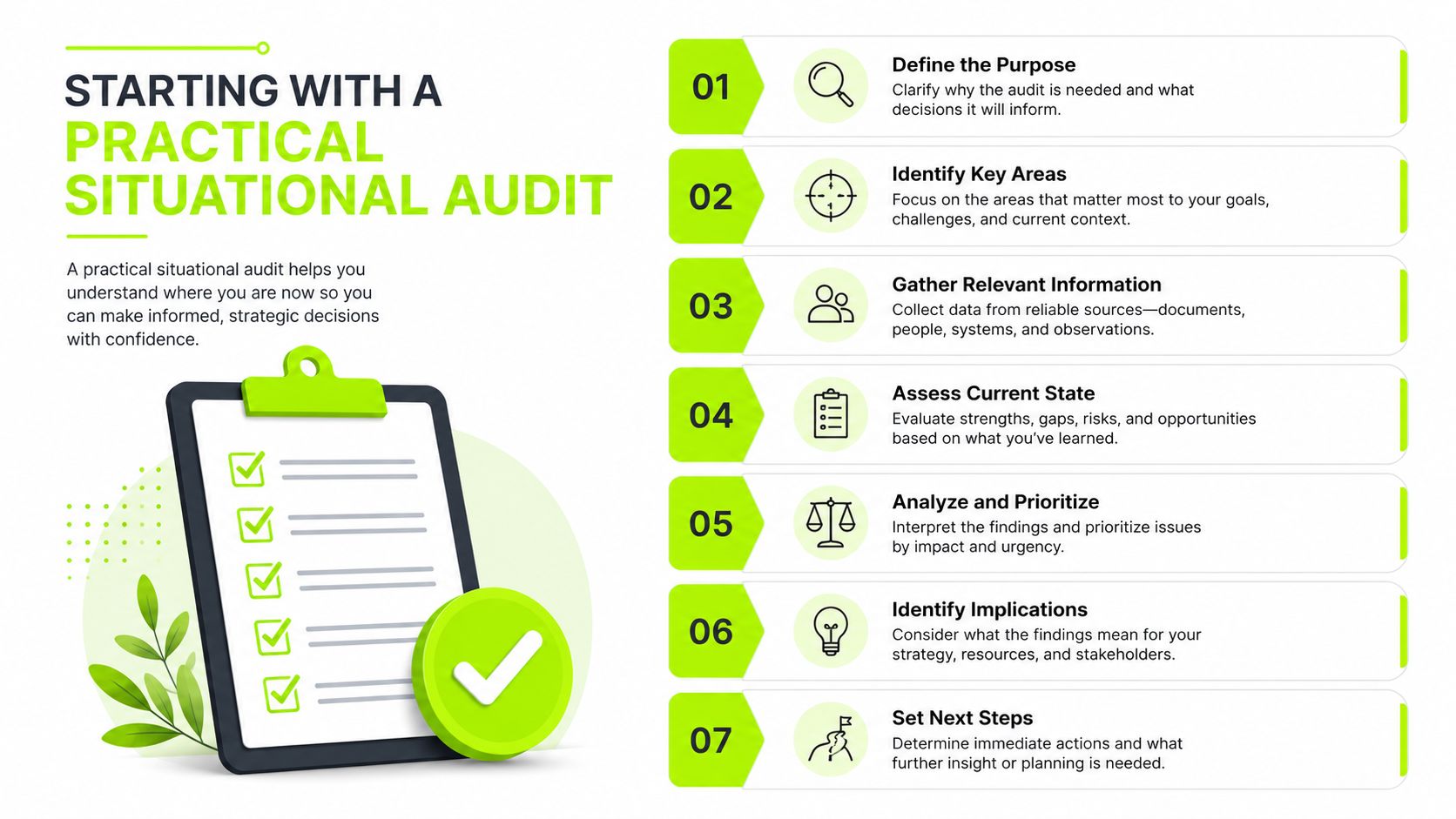
A one-week audit checklist
Begin by combining website forms, emails, calls, social messages, and referral notes in one working sheet. Assign each enquiry an owner and a clear stage, removing duplicate records as you go.
Submit a test enquiry through every form. Check who receives it, what confirmation appears, and how quickly the club responds. Review call records alongside this test, noting missed calls, unanswered messages, and conversations without a logged outcome.
Group member feedback around welcome, tee access, playing partners, facilities, communication, and value. Then check local visibility: address, opening hours, phone number, photographs, services, and review responses.
Finish by recording the current response time, enquiry-to-visit rate, visit-to-sign-up rate, and member churn. That baseline should guide channel choice and the first targets in the 90-day plan. Without it, a club can spend on awareness while an unowned enquiry remains the main constraint.
Defining the Right Members Before You Spend
The first marketing decision is not which audience to target. It is which audiences the club can serve without creating a poor experience for existing members. UK club data shows why a single membership message is too blunt. One UK golf-club survey found that female membership reached 18% of total membership, junior membership remained at 9%, and 64% of members were aged 51 and over (Golf Club Managers Association survey coverage). Those figures point to distinct groups with different motivations, schedules, objections, and routes into membership.
The same survey found clubs welcomed an average of 94 new members in 2023, while 46% of clubs had waiting lists. Some clubs therefore need broad recruitment, while others need controlled growth in particular categories or time windows. A generic “membership available” message cannot handle both situations.
Segment by behaviour, not just age
A time-poor professional may value convenient access, predictable tee times, quick replies, and a simple joining process. A returning golfer in their forties or fifties may need reassurance about playing ability, social integration, and re-entering club golf without feeling out of place. Their age gives limited guidance. Their circumstances and likely objections are more useful.
Families and juniors usually respond to progression, coaching, safety, social belonging, and a clear route from a first session to regular participation. England Golf reported that junior membership rose by 34% in 2025, from 46,028 to 61,483, as covered in Golfshake's report on 2025 English golf-club membership. That opportunity still needs an operational answer: who welcomes the family, what happens after the first session, and how quickly staff respond to questions. Corporate decision-makers may be considering society days, hospitality, or playing packages rather than individual membership.
| Member segment | Primary hook | Best channel | Offer example |
|---|---|---|---|
| Time-poor professionals | Convenience and reliable access | Local search and targeted paid campaigns | Weekday or flexible membership conversation |
| Returning golfers | Confidence and social re-entry | Search, referrals, and taster visits | Hosted visit with a named member contact |
| Families and juniors | Progression and belonging | Schools, local partnerships, social content | Coaching pathway linked to family participation |
| Corporate decision-makers | Quality, organisation, and hospitality | Partnerships, direct outreach, and events | Clearly packaged society or corporate day |
| Under-represented groups | Welcome, relevance, and representation | Community partnerships and targeted content | Introductory event with appropriate support |
Turn segments into usable promises
Select the groups the club can serve reliably, then write one promise for each priority segment. Check each promise against the website headline, membership page, enquiry form, tour, and reception script. This exposes a common failure: marketing describes one experience while staff deliver another.
If the promise is “a friendly route back into regular golf”, the visit and follow-up should feel supportive rather than sales-led. If it is “a dependable weekday club for busy professionals”, explain access, booking, and playing opportunities clearly, then respond quickly when prospects ask. Positioning only works when the operational experience confirms it.
Choosing Acquisition Channels That Fit a Golf Club
Every channel has a job. The mistake is selecting channels because they are fashionable, then asking the club team to handle the resulting enquiries without a defined process.
Local paid search is usually suited to people already looking for membership, golf lessons, societies, or a course nearby. Search engine optimisation can build visibility for broader and longer-term demand, while social media gives the club a way to show atmosphere, people, events, junior activity, and course conditions. Partnerships can introduce the club to audiences that paid media may not reach efficiently.
| Channel | Best used for | Cost tier | Time to first enquiries | Typical audience |
|---|---|---|---|---|
| Local PPC | High-intent membership and visit searches | Medium | Quick | Active prospects comparing clubs |
| SEO | Long-tail searches around membership, lessons, and societies | Medium | Gradual | Researchers and future prospects |
| Social media | Visibility, personality, events, and community | Low to medium | Quick to gradual | Local golfers, families, and followers |
| Partnerships | Trusted introductions through relevant organisations | Low to medium | Variable | School, hotel, retailer, professional, or business audiences |
| Open days and events | Experience-led conversion | Medium | Immediate around the event | Prospects who need to see the club |
| Live chat | Capturing questions while visitors browse | Low to medium | Immediate | Website visitors who aren't ready to call |
Clubs should choose no more than three channels for the first 90 days. Start with mechanisms that can produce a quick learning cycle, such as local PPC, social content, or an event, but only if response ownership is ready. SEO and partnerships deserve investment, yet both take longer to mature and should sit within a wider plan rather than carry an urgent membership target alone.
For clubs that receive questions outside office hours, an industry-specific live chat resource can help managers assess how conversational tools fit hospitality and leisure environments. The tool itself isn't the strategy. The important question is whether every conversation is captured, qualified, assigned, and followed through.
More channels don't compensate for an unclear next step.
Keep the website practical. A prospect should quickly understand who the club suits, what membership includes, how to arrange a visit, and who will contact them. GolfRep's guidance on golf-club digital marketing takes the same operational view, connecting targeting and creative with follow-up and conversion tracking rather than treating traffic as the final outcome.
Handling Enquiries So They Actually Convert
A useful enquiry workflow is simple enough for reception, the membership secretary, the PGA professional, and the general manager to follow consistently. It should work when the club is busy, when the usual contact is away, and when an enquiry arrives outside normal office hours.
GolfRep's practical standard is a five-minute initial response window during office hours. Its guidance recommends an alert when a web enquiry has no owner response within five minutes, followed by a same-day human call after the initial acknowledgement (GolfRep's golf-club enquiry management guidance).
A workable enquiry sequence
Capture first. Every form, call, social message, and referral should enter a shared inbox or CRM. Personal inboxes create invisible queues and make it impossible for another team member to see what has happened.
Confirm the stage. Mark the contact as a visitor, potential joiner, society organiser, lesson enquiry, junior prospect, or another relevant category. The stage determines the next question and prevents the club from sending a membership script to someone asking about a corporate day.
Acknowledge quickly. The first response should confirm receipt, name the contact person, answer the immediate question where possible, and offer a specific next step. “We'll be in touch” leaves all the work with the prospect. “I'm Sarah, I look after membership, and I can show you the club on Tuesday or Thursday” creates movement.
Qualify without interrogating. Ask why they're considering the club, when they usually play, whether they're returning to golf, and what they need from membership. Keep the tone conversational, then book a taster, tour, or call with a named contact.
Log the outcome. Record the response, appointment, attendance, objections, and next action. A lead is not closed because someone sent an email. It's closed when the club has a clear outcome.
For wider context on managing enquiry to sales outcome, the useful principle is consistent ownership across the journey. Golf clubs need the same discipline, adapted to their staffing and member experience.
Minimum viable workflow for the first 30 days
- Response target: Acknowledge every new enquiry within five minutes during office hours.
- Named owner: Assign one person responsible for the next action.
- Shared record: Log source, category, contact history, appointment, and outcome.
- Human follow-up: Make a same-day call where the prospect has provided a number.
- Weekly review: Examine unanswered, delayed, no-show, and lost enquiries.
- Script library: Prepare short responses for membership, visitors, juniors, lessons, and societies.
Use GolfRep's golf-club enquiry conversion guidance to pressure-test the handover between marketing and the club team. The system should support staff, not force them into robotic conversations.
Nurturing Enquiries and Keeping Members Engaged
A visit without an immediate joining decision is an open conversation, not a failed lead. Prospects may be comparing clubs, arranging their schedules, speaking with a partner, or working out whether membership suits them. Effective nurture responds to that stage instead of repeating the advert that generated the enquiry.
After a clubhouse tour and taster round, send a personal note the same day. Thank the visitor, answer the question they raised, and give them one relevant next step. A few days later, share the suitable membership route or invite them to a social event. A follow-up call should ask what remains unresolved, rather than asking whether they have decided.
Society organisers need a different sequence. Following the first conversation, send a concise event outline, confirm available dates, and provide the information they need to compare venues. Ask for feedback soon after the visit or event, while details remain fresh. Record when the organiser normally starts planning the next year's venue, then contact them at that point.
Retention starts after the joining decision
A second-year member whose usage is falling needs a different intervention. Review their recent participation and offer a suitable roll-up, introduction to a playing group, or conversation about what is getting in the way. Access, confidence, and social connection can each affect participation. The aim is to restore a reason to play, not to push another offer.
The same CRM process can support:
- Structured onboarding: Welcome the member, explain booking and competitions, introduce relevant contacts, and schedule a check-in.
- Playing opportunities: Promote activities that fit ability, age, schedule, and social preference.
- Member-get-member referrals: Give satisfied members a clear way to introduce friends, rather than relying only on informal conversations.
- Win-back campaigns: Contact lapsed players with a relevant invitation and a human route back into the club.
- Renewal support: Identify concerns before the renewal deadline, while there is still time to address them.
Messages must reflect the club's positioning. A family-focused club should lead with family activity and progression. A professional-focused club should reinforce convenience and access. A club built around welcome and belonging will weaken that promise if follow-up becomes impersonal and focused only on price.
Set a defined nurture sequence for every enquiry within 24 hours. Give every member an annual engagement plan as well. It can remain simple, provided it has an owner, scheduled touchpoints, and a record showing whether the member is participating. Review that record alongside the member's experience, because a message sent without a relevant next action rarely changes behaviour.
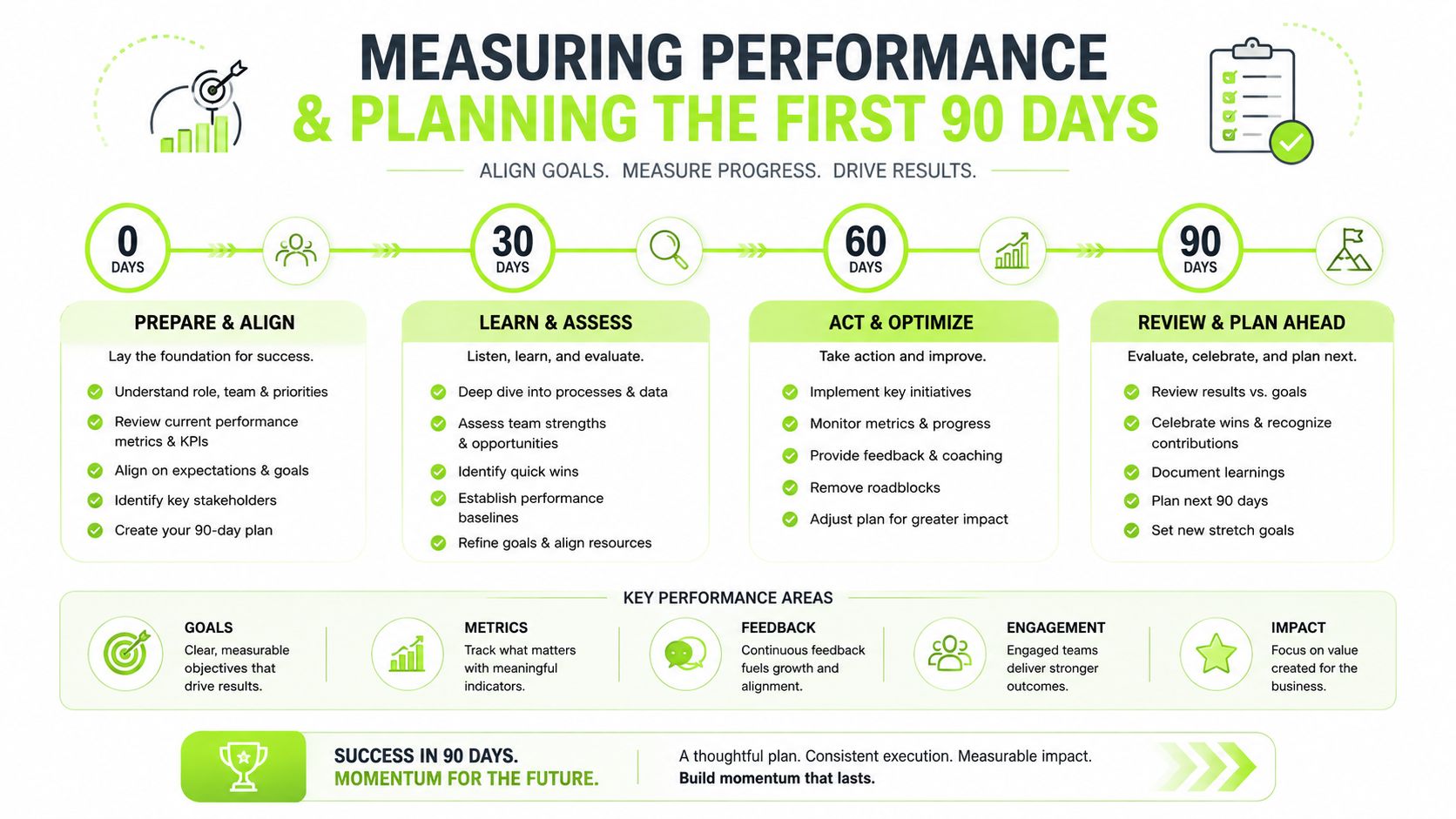
Measuring Performance and Planning the First 90 Days
A club doesn't need a large dashboard. It needs a small set of measures that managers can review consistently and connect to decisions.
Track enquiry response time, enquiry-to-visit rate, visit-to-sign-up rate, member churn, and revenue per member. Add source and member category to each record, otherwise the figures won't explain which audiences and channels deserve more attention.
A weekly meeting between the general manager and marketing lead should review new enquiries, overdue actions, visits booked, visits completed, sign-ups, and lost reasons. The monthly committee view can focus on trends, budget used, membership mix, retention, and capacity. Keep the operational review close to the people who can change the result.
A staged 90-day operating rhythm
Weeks one to four, audit and instrument. Clean the database, test forms, assign ownership, measure response time, and create the baseline. Agree definitions so everyone knows what counts as an enquiry, visit, sign-up, and lost opportunity.
Weeks five to eight, launch and tighten. Select up to three acquisition channels, publish segment-specific messages, and enforce the five-minute response standard. Review lead quality weekly rather than waiting for a campaign report.
Weeks nine to twelve, improve nurture and retention. Examine no-shows, undecided prospects, lapsed members, renewal risks, and category performance. Adjust scripts, follow-up timing, event invitations, and landing pages according to the evidence.
Budget should follow the club's capacity and baseline, not a generic industry figure. A small club may begin with a tightly controlled local campaign and modest content support, while a mid-sized club may fund several channels and CRM work. In either case, reserve enough resource for follow-up, measurement, and staff time. Buying enquiries without funding the response process creates an expensive queue.
GolfRep helps clubs combine targeted lead generation with automated acknowledgement, structured follow-up, CRM visibility, and revenue tracking through a golf-club-specific growth system. Visit GolfRep to see how that approach can support a more predictable membership pipeline without reducing the club's proposition to discounts.
Ready to tap into our proven growth system?