Golf Society Marketing: A Club Operator's Playbook
The popular advice in golf society marketing is to create a better brochure, post more often, and buy more traffic. That advice misses the expensive part of the process. Most clubs don't have an interest problem. They have an enquiry handling problem.
A society organiser who submits a form, sends an email, or requests a date isn't comparing your club with an empty market. They're judging how easy you are to deal with. If the first response arrives after the organiser has already spoken to another venue, attractive photography and carefully written packages won't recover the booking.
England's golf market is active and increasingly trackable. England Golf reported 11.83 million World Handicap System scores in 2025, up 16% on 2024 and the highest annual total since the system was introduced. The same reporting recorded more than 730,000 golf club members and 1,735 golf clubs in England, which gives clubs a substantial audience for segmented acquisition and society campaigns beyond traditional membership lists. (England Golf participation reporting)
The practical question is therefore not just how to create more demand. It's how to make sure every valuable society enquiry is seen, answered, qualified, followed up, and measured. That requires marketing, but it also requires an operating system.
The Golf Society Marketing Problem
Demand isn't the same as conversion
Golf society demand sits inside a broader participation market that has been strengthening. England Golf reported 5.75 million WHS scores in the first half of 2025, a year-on-year increase of 29%, while April 2025 recorded a 98% rise compared with April 2024. (England Golf participation reporting)
Those figures don't guarantee that an individual club will fill every weekday or convert every organiser. They do show that clubs are operating in a market with substantial activity. If a venue is still losing society opportunities, the weakness may be further down the chain, in response speed, ownership, availability information, quoting, or follow-up.
A club can have a strong course, a competitive package, and a polished society page, yet still lose business because nobody knows who owns the enquiry. An email arrives in a shared inbox, the secretary is dealing with members, the events manager is on the course, and the organiser receives no clear answer. By the time somebody replies, the preferred date may be gone.
Practical rule: Treat every society enquiry as a live commercial opportunity until somebody records a clear outcome.
Why societies deserve operational attention
Society bookings aren't just occasional group days. They can introduce new golfers to a venue, create repeat event patterns, and support quieter playing periods. They also provide useful signals about what different groups value, from food and presentation to pace, flexibility, and the ease of managing handicaps and payments.
England's membership base reached 750,071 in 2025, up 2.66% from 2024 and the highest level recorded for at least 13 years. Junior membership rose from 46,028 to 61,483, an increase of more than 34%, while average member age fell from 56.18 to 54.99. (Golf Club Managers Association membership reporting)
That changing mix matters to society marketing. A club shouldn't assume that every organiser has the same priorities or that one generic membership message will work for every group. A younger organiser, a corporate event coordinator, and a long-standing golf society may all ask about the same date, but they may judge value differently.
The leak is usually behind the advert
More traffic can make a broken process busier. It can increase the number of unanswered forms, duplicated replies, inconsistent prices, and missed reminders. Before increasing advertising spend, managers should inspect what happens from the moment an organiser enquires to the moment the club confirms a date.
The useful audit is simple:
- Visibility: Can the team see every open society enquiry in one place?
- Ownership: Does each lead have a named person responsible for the next action?
- Speed: How quickly does the organiser receive a meaningful acknowledgement?
- Progress: Can someone tell whether the group is qualifying, awaiting a proposal, considering dates, or lost?
- Learning: Does the club know which sources and packages produce confirmed bookings?
Golf society marketing works when promotional activity and administrative discipline support each other. Without that connection, the club pays to create interest and then relies on memory to convert it.
Why Current Approaches Fall Short
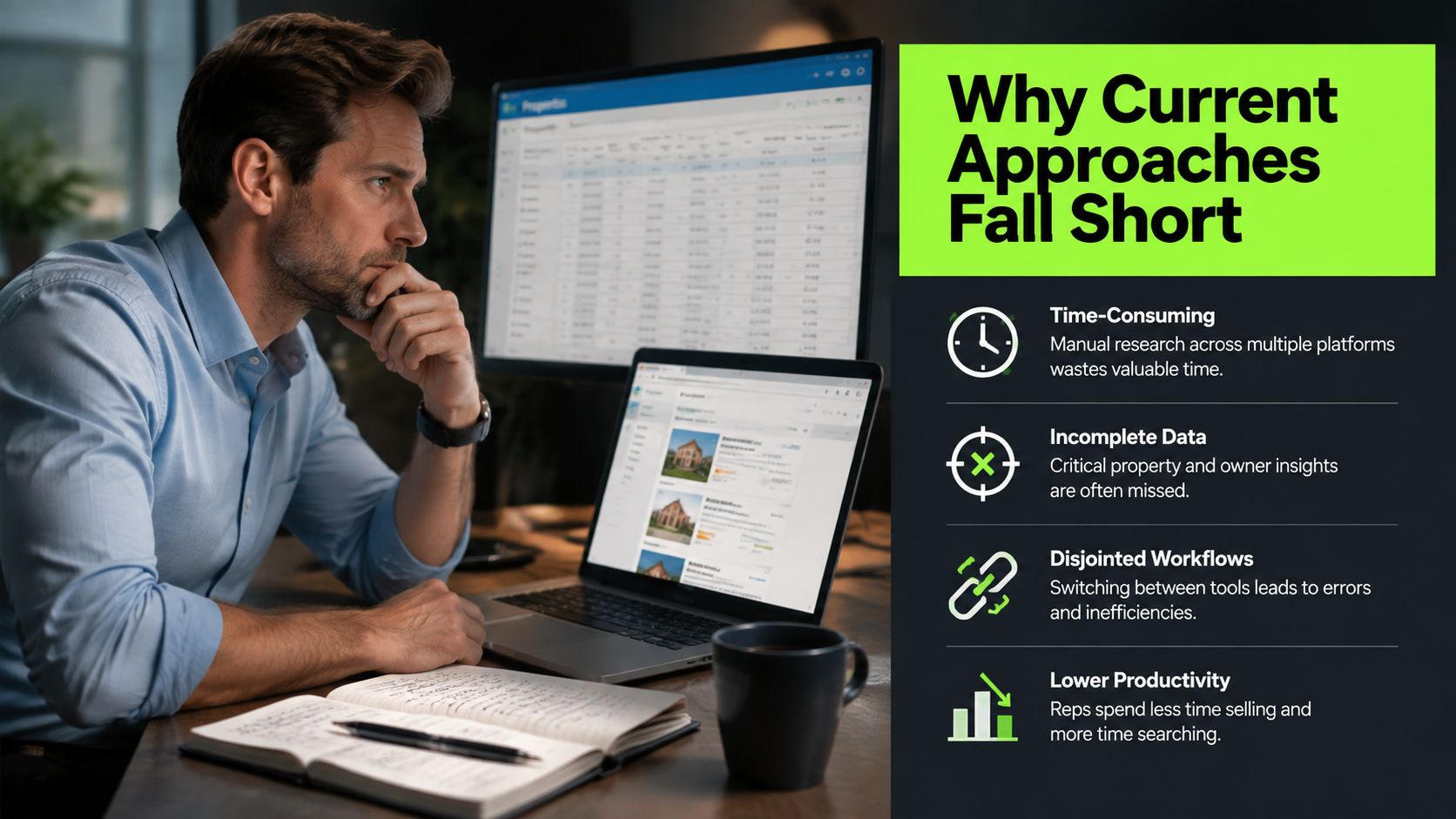
A glossy package brochure is useful, but it can't tell a manager whether an organiser has received a reply. Social media can create awareness, but it won't show which member of staff is meant to call the lead. A booking spreadsheet can record confirmed dates, yet it often says little about the enquiries that disappeared before confirmation.
The operational weakness usually starts with manual follow-up. Society enquiries arrive through forms, email, telephone calls, social messages, and personal contacts. Staff then copy details between systems, search old messages, check availability, and try to remember who needs a proposal. That process may survive a quiet week. It becomes unreliable when the club is busy.
Slow replies create a commercial disadvantage
UK businesses average 47-hour response times to enquiries, while only 7% achieve a response within five minutes. The same report says 78% of customers buy from the first company to respond, making response speed a conversion issue rather than a cosmetic marketing measure. (UK lead response time data)
Golf club teams face real constraints. The secretary may be handling member queries, the events manager may be supervising a function, and the professional may be teaching. Those pressures explain a delayed reply, but they don't make the organiser less likely to book elsewhere.
Research cited in golf club lead handling says a lead answered within one hour is five times more likely to convert than one left for 24 hours, with the first five minutes described as a critical window. (GolfRep CRM lead handling guidance)
The answer isn't expecting staff to sit permanently in an inbox. It's using an automatic acknowledgement, visible lead ownership, and reminders so the club can respond quickly without pretending that manual administration is dependable.
The weekday opportunity is easy to miss
Society business is often treated as a brochure and pricing exercise. The buying journey is more operational than that. Clubs reported peak online booking activity between 11am and 3pm, and 60% of online bookings were for weekday play. Partner clubs averaged 500+ membership enquiries, 350+ society enquiries, and 400+ event enquiries annually, indicating that many venues already handle enough inbound activity to justify qualification and nurture systems. (Revenue Club 2025 reporting)
That matters because weekday utilisation depends on dependable administration. An organiser needs prompt confirmation that the date is possible, a clear explanation of what the package includes, and confidence that the club can manage transport, catering, tee times, payment, and player changes.
Paper booking sheets and generic email signatures fail because they preserve information without creating accountability. They don't automatically prompt the next call, distinguish a tentative date from a confirmed booking, or reveal whether the organiser has gone quiet because the price was wrong or because the club didn't answer the actual question.
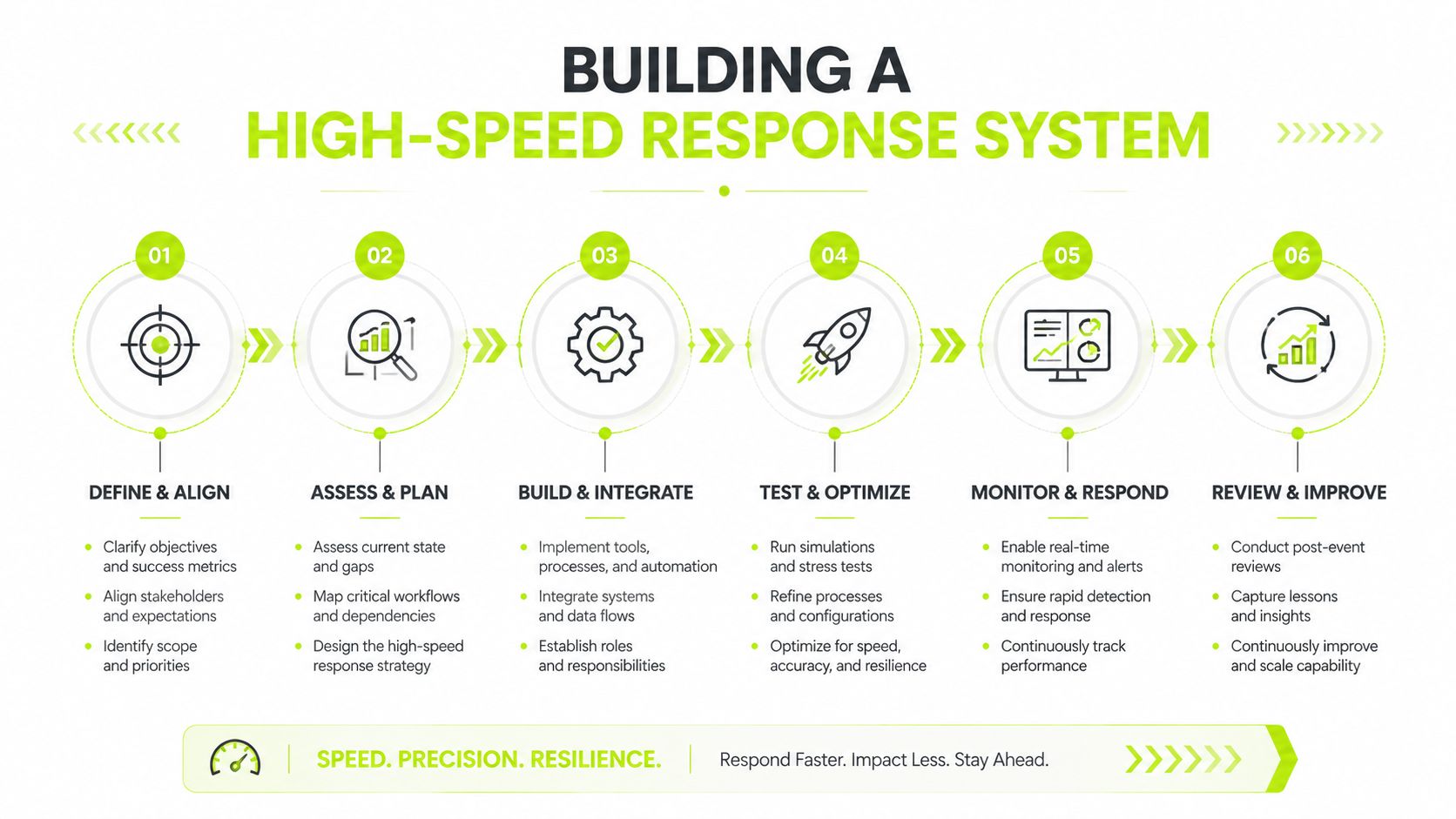
Building a High-Speed Response System
A high-speed response system doesn't mean sending a rushed, unhelpful reply. It means acknowledging interest immediately, collecting the right information, routing the enquiry correctly, and giving a human a clear next action.
Golf society marketing becomes more reliable when the club designs this workflow before launching another campaign.
Start with one source of truth
Use a CRM or connected enquiry system to capture every society lead, regardless of whether the organiser arrives through a landing page, email, advertisement, or telephone call. The record should include the organiser's name, contact details, preferred date, approximate group size, event type, playing requirements, catering needs, and the source of the enquiry.
Don't rely on a single inbox as the system. An inbox is a communication tool, not a pipeline. A CRM should show new, contacted, qualified, proposal sent, awaiting decision, confirmed, and lost stages, with a named owner and a next-action date on every open record.
Independent CRM guidance for golf clubs identifies average response time, enquiry-to-visit conversion, total pipeline value, lead tracking, immediate lead visibility, communication history, pipeline management, and conversion reporting as useful operating measures. (Golf club CRM metrics and guidance)
Acknowledge first, qualify second
The first automated message should confirm that the enquiry has arrived and explain when the organiser can expect a personal response. It should repeat the key details they submitted, provide a direct contact route, and avoid pretending that a booking is confirmed.
A useful acknowledgement can say that the team has received the preferred date and group information, and that a named colleague will respond within the club's stated service window. That message reduces uncertainty while giving staff time to check the diary and prepare a relevant answer.
Lead routing should follow the enquiry type. Society bookings might go to the events or sales owner, while membership visits go to the membership lead. If no one is available, the system should assign a backup owner rather than leave the record in an unmonitored queue.
For practical context on why response windows matter, review these speed to lead statistics, then set a standard the club can consistently maintain. A promise of a human reply within four business hours is more useful than an ambitious target that staff regularly miss.
Make the next action visible
Every open lead needs one concrete next step. That might be a telephone call, a proposal, a course visit, a date check, or a reminder to contact the organiser after they've discussed the package with their group.
Use task reminders and internal notifications rather than memory. Record every call and email against the lead so another staff member can understand the context without searching multiple inboxes. If the organiser asks for a different date, update the record immediately and keep the original request visible.
A practical golf club speed to lead process should also include escalation. If an assigned owner hasn't acted within the club's service window, the system should notify a manager or backup colleague.
Tools such as a CRM, online forms, shared calendars, email automation, and a booking platform work together. GolfRep combines lead generation with CRM-enabled nurture and automated follow-up, so clubs can track the journey from initial enquiry to booked visit or confirmed business. The same principle can be implemented with other suitable systems, provided the club can see ownership, history, status, and next action in one place.
Creating Nurture Sequences That Convert
The first reply protects the opportunity. The follow-up sequence earns the decision.
Society organisers often need to consult colleagues, compare dates, confirm player numbers, or obtain approval for catering and transport. Silence after the proposal doesn't always mean rejection. It may mean the organiser is busy, uncertain about the package, or waiting for information that the club hasn't supplied.
Build the sequence around decisions
A practical sequence should answer the questions that delay confirmation:
- Date and format: Can the club accommodate the preferred day, format, arrival time, and tee-time pattern?
- Group requirements: Are handicap rules, guest arrangements, buggy needs, player substitutions, and scoring support clear?
- Commercial detail: Does the organiser understand what the package includes, what isn't included, and when payment is due?
- Experience: Can the club explain the welcome, catering, practice facilities, changing arrangements, and atmosphere without overclaiming?
- Next action: Is the organiser being asked to choose a date, book a visit, approve a proposal, or answer a specific question?
An automated email should support the human conversation, not replace it. Use the organiser's details to make each message relevant. A corporate group may need event logistics and invoice information, while a member-led society may care more about flexibility, social facilities, and repeat booking options.
Use a clear follow-up rhythm
Golf society enquiry guidance recommends an instant automated acknowledgement, a clear expectation such as a team response within four business hours, and follow-up on day 2, day 5, and day 10 after sending a proposal. (Golf society enquiry workflow guidance)
The sequence should vary the purpose of each contact. The first follow-up can check whether the proposal arrived and invite questions. The next can offer an alternative date or clarify a package detail. The final message can close the loop politely, explain that the enquiry will be marked inactive, and leave an easy route back to the club.
The RepurposeYourContent nurture guide offers useful general principles for planning educational follow-up, but golf clubs should adapt the structure to the organiser's real decisions rather than copy a generic email campaign.
Segment without creating administration
Segmentation only helps if the club can maintain it. Start with a small number of useful categories, such as corporate event, private society, charity day, member introduction, repeat organiser, and tentative date request.
Then use practical triggers. If a lead has requested catering, send the relevant menu and timing information. If the group is considering a weekday, provide the available weekday options and explain the booking process. If the organiser has visited before, refer to the previous event and ask whether the format or requirements have changed.
The GolfRep lead nurture framework focuses on keeping follow-up structured across the buying journey. The underlying discipline is straightforward: send useful information, record the response, and give a member of staff a reason to make the next personal contact.
Real Examples of Effective Follow-Up
A society marketing system should produce evidence in the pipeline, not just activity in an inbox. The strongest examples come from clubs that treated growth as an operational process and connected promotion with consistent handling.

Bidston Golf Club
Bidston Golf Club is a useful example of what happens when a club moves away from reactive administration and focuses on a measurable pipeline. The case study describes the club being revived from near-closure, with more than double membership and six-figure recurring revenue. (GolfRep case studies)
The important lesson isn't a particular advert or email subject line. A struggling club needs a connected process that attracts suitable enquiries, responds promptly, qualifies interest, and continues contact until the prospect either visits, joins, or clearly declines.
Addington Palace
The Addington Palace case study describes steady pipeline growth. (GolfRep case studies)
That kind of result reflects a different operating challenge from rescuing a club near closure. An established venue may already have brand recognition and demand, but still needs reliable visibility across its pipeline. Staff must know which opportunities are new, which proposals need attention, which groups are comparing dates, and which confirmed bookings could lead to repeat business.
A steady pipeline is valuable because it gives managers a view of future work rather than a retrospective count of enquiries. It also helps a club identify capacity problems before a busy period exposes them.
Downes Crediton
Downes Crediton provides another example, with a rapid, profitable membership campaign described in the case studies. (GolfRep case studies)
Membership and society activity aren't identical, but the conversion mechanics overlap. Prospects need a quick acknowledgement, accurate answers, a clear next step, and reminders that arrive while interest remains active. The club then needs to measure outcomes rather than assume that a busy campaign produced a healthy return.
A campaign creates opportunities. The workflow determines how many become revenue.
These examples don't mean every club should copy the same campaign. Bidston, Addington Palace, and Downes Crediton faced different commercial conditions. Their shared principle is more useful: make the pipeline visible, give every enquiry ownership, and build follow-up into the system instead of leaving it to the busiest person in the office.
Tracking Performance for Sustainable Growth
Enquiry volume is an incomplete measure. A club can generate more contacts while losing more opportunities if response times lengthen or proposals remain unanswered.
Track the full journey:
- Average response time: How quickly does a human make meaningful contact?
- Enquiry-to-visit conversion: How many suitable prospects progress to a visit or meeting?
- Proposal-to-confirmation conversion: Which proposals become booked society days?
- Pipeline value: What future business sits in each stage?
- Lead source: Which channels produce serious organisers rather than low-intent enquiries?
- Communication history: Can the team understand every previous interaction?
- Lost reasons: Are dates unavailable, prices unclear, responses late, or requirements unmet?
Independent guidance for golf club CRM systems supports this wider view of performance, including lead visibility, communication history, pipeline management, and conversion reporting. (Golf club CRM guidance)
A club should review the numbers often enough to identify bottlenecks, but not turn reporting into another manual burden. Marketing analytics for golf clubs can help managers connect source, response, progression, and revenue.
Sustainable golf society marketing comes from replacing scattered administration with a dependable pipeline. When the club can see every enquiry, respond within a defined window, follow up with purpose, and learn from outcomes, marketing becomes a controllable part of operations rather than a seasonal gamble.
GolfRep helps UK golf clubs connect lead generation with CRM capture, rapid acknowledgement, structured follow-up, and conversion tracking for membership and society opportunities. Visit GolfRep to discuss how a more dependable enquiry workflow could support your club's next stage of growth.
Ready to tap into our proven growth system?