Golf Club Marketing Software: A Commercial Guide

A club can have a booking engine, a membership database, an email platform and a spreadsheet of prospective members, yet still lack a usable commercial system. Staff may know that enquiries are coming in, but not who owns each opportunity, what the prospect was promised or whether the eventual joining fee came from a particular campaign.
That gap matters because golf clubs now sell several products to different audiences. Membership, visitor golf, societies, coaching, events and clubhouse spend all require different follow-up. Golf club marketing software should bring those activities together, so the board can see how demand becomes bookings, memberships and recurring revenue rather than counting email sends alone.
Defining Golf Club Marketing Software
A membership database records people. A booking system records transactions. An email tool distributes messages. Marketing software for a golf club has to connect those functions to commercial outcomes.
The practical definition is a closed-loop system that captures enquiries, records interactions, assigns ownership, moves prospects through a pipeline and links marketing activity to membership or visitor revenue. A commercially useful golf-club CRM should do more than store contacts. It should show what happened, what needs to happen next and whether the opportunity converted.
That distinction is easy to miss during procurement. A club may buy a capable tee-sheet platform and assume its built-in communication tools amount to a complete marketing system. They may handle bookings and member administration well, but still leave the commercial team without a clear view of unconverted enquiries, overdue follow-up or campaign attribution.
Administration is not the same as commercial control
Administrative software answers questions such as:
- Who is a member? The system stores membership details, payments and relevant account information.
- What is available? The booking function shows tee times, events or facilities that can be booked.
- What has been purchased? Transaction records may cover green fees, competitions, lessons or food and beverage.
- Who should receive a message? Broadcast tools may allow basic lists or mailing groups.
Marketing software must answer a different set of questions:
- Who has shown interest but not joined?
- Which member of staff owns the opportunity?
- How quickly was the enquiry acknowledged?
- Which membership category, visitor offer or event product fits the prospect?
- Which activity contributed to the eventual sale?
Mass emailing doesn't answer those questions. It can support communication, but it won't replace a pipeline, an ownership model or a defined follow-up process.
Practical rule: If the system can't show an enquiry's current stage and next action, it isn't providing full commercial visibility.
What closed-loop operation looks like
A website form should create a record automatically. That record should include the source of the enquiry, the product of interest and any relevant qualification information. A suitable workflow can then route the opportunity to the membership manager, PGA professional, events team or visitor-golf contact, depending on the enquiry type.
The system should support immediate acknowledgement, personal follow-up and later nurture without sending every prospect the same message. A junior prospect, a corporate organiser and an existing member considering a flexible category have different reasons for buying. Treating them as one audience wastes the information the club has already collected.
Automation should also support staff rather than hide responsibility. A scheduled email is useful, but the sales owner still needs a task, a due date and a clear pipeline stage. The software should make good behaviour easier to repeat, not create another inbox that nobody checks.
Clubs reviewing the wider automation tools may also find it useful to understand how specialist tools approach content workflows, including TikTok creator automation software. That isn't a substitute for a golf CRM, but it illustrates an important principle: automation only creates value when it is attached to a defined process and a measurable outcome. For a broader view of the commercial systems clubs should build, use this golf club marketing resource.
Must-Have Features for Modern Golf Operations
The right platform starts with the club's commercial model, not with a list of fashionable features. A private members' club, a resort with several courses and an indoor golf venue may all need a CRM, but their workflows, audiences and revenue priorities differ.
UK demand makes this operational rather than theoretical. Hillier Hopkins reports that 53% of clubs have waiting lists, while clubs are operating at high occupancy and need to turn suitable enquiries into booked visits quickly. That finding is set out in the Hillier Hopkins golf clubs report. A platform built only for generic newsletters won't manage that pressure well.
Start with the data model
The database should distinguish between members, prospects, visitors, society organisers, event contacts, juniors, parents, coaches and lapsed customers. It should also record interest, membership category, preferred playing pattern, visit history and consent where relevant.
Useful segmentation isn't based only on age or postcode. It can reflect behaviour and commercial intent:
- Membership interest: Separate full membership, flexible membership, junior, academy and social enquiries.
- Buying stage: Distinguish new enquiries, booked visits, proposals, applications and recently joined members.
- Engagement: Identify active members, infrequent users, lapsed customers and repeat visitors.
- Revenue opportunity: Record interest in coaching, societies, events, food and beverage or additional facilities.
Flexible products make this especially important. A prospect considering a lower-commitment category shouldn't receive the same sequence as someone asking about premium membership. The platform needs custom fields and workflows that staff can understand without technical training.
Demand capture and routing
Every form, phone enquiry, online booking and relevant social interaction should enter a common record or connect reliably to one. The system should create an owner, a next action and an escalation path. If the responsible person is absent, another member of staff should be able to see the opportunity and continue the conversation.
The software should integrate with the club's existing booking, membership, payment and point-of-sale tools. UK and Ireland platforms such as Club Systems International package administration, competitions, payments and communication together, while wider golf software listings show that operators increasingly expect tee sheets, CRM, memberships, marketing and direct debits to work as part of one commercial environment.
Automation that respects the operation
Good automation includes acknowledgement messages, visit reminders, post-visit follow-up, application prompts, onboarding communications and renewal workflows. It should stop or change a sequence when a prospect books, joins or asks for human contact.
Ask vendors to demonstrate the actual workflow rather than showing a feature menu. Submit a test enquiry and check whether the platform records its source, assigns an owner, creates a task, sends the correct acknowledgement and reports the final outcome. You should also test whether staff can edit a message, change a stage and retrieve a complete contact history without calling the supplier.
For a focused comparison of the commercial requirements, this guide to golf club CRM software is a useful reference point.
Driving Membership and Revenue Growth
Software doesn't create revenue by itself. It gives the club a repeatable way to match the right offer, message and action to each customer group.
That matters because membership products are becoming more varied. Hillier Hopkins' 2025/26 survey reports flexible membership at 40% of members' clubs and 64% of proprietary clubs, while 62% allow joining fees to be paid in instalments. Those figures appear in the Hillier Hopkins 2025/26 survey report. A single membership campaign can't explain every route into the club clearly or persuasively.
Build journeys around buying decisions
A prospect who asks about a flexible category may need an explanation of access, booking rights and upgrade options. A parent enquiring about junior golf needs information about coaching, supervision, progression and the wider family experience. A premium prospect may care more about availability, clubhouse service and introductions to the membership community.
The CRM should trigger the appropriate sequence from the information captured at enquiry. The sequence might include:
- Immediate acknowledgement: Confirm receipt and explain what happens next.
- Relevant proof: Share the facilities, playing experience or membership details that match the enquiry.
- Conversion action: Invite the prospect to a visit, tour, trial or conversation.
- Decision support: Answer common objections around price, access, joining fees or timing.
- Longer nurture: Continue useful communication if the prospect isn't ready to join immediately.
That structure avoids constant discounting. It also gives staff a record of which questions the market is asking, so the club can improve its proposition rather than sending more promotions.
Extend the same logic beyond membership
Visitor golf requires a different sequence. A first-time visitor might receive a thank-you message, a suggestion for a return booking and relevant information about packages or facilities. A repeat visitor may be better suited to a membership conversation, a loyalty offer or a society introduction.
Society and corporate enquiries need their own pipeline because organisers often require availability, pricing, catering, deposits, room arrangements and follow-up across several conversations. The system should show whether a proposal was sent, whether the organiser has responded and whether the booking has been confirmed.
The same database can support retention and additional spend. A member who hasn't engaged with coaching can receive a relevant coaching invitation. A society organiser who booked a golf day can be prompted to discuss a future date or food and beverage package. These workflows should be based on actual behaviour, not assumptions about the entire database.
The commercial test is simple: every automated message should have a defined audience, a reason for being sent and a next action that the club can measure.
Report revenue, not activity
Open rates and click rates can help diagnose communication quality, but they aren't board-level outcomes. The useful report connects source, segment, pipeline stage, booking, membership category and revenue. That lets the commercial team see whether a campaign generated valuable customers or merely activity.
A club should also compare capacity. If weekday tee times are underused, the relevant campaign and follow-up sequence will differ from one designed to manage a full membership waiting list. Software should help management focus on the current commercial constraint instead of applying the same growth tactic to every product.
Evaluation and Implementation Checklist
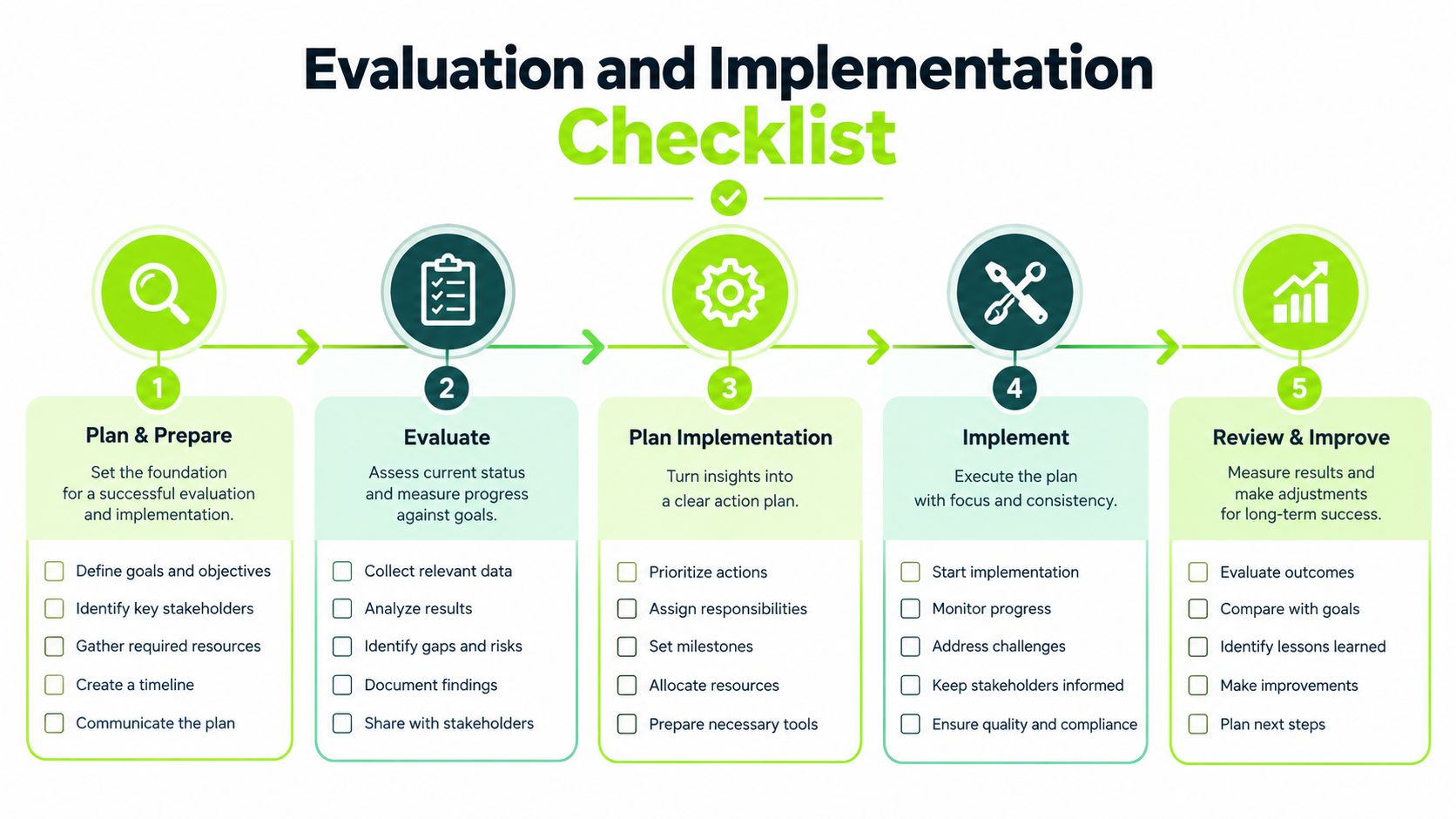
Replacing golf club marketing software is a business project. It affects membership administration, reception, the professional team, finance, events, visitors and management reporting. Treating it as a quick technical purchase usually creates a system that is technically live but operationally ignored.
A GCMA-commissioned report surveyed 134 club managers and found that implementation typically takes 7 to 8 months. The same report found 66% were exploring alternative software and 48% said their current system no longer fully met requirements, as summarised in this UK golf CRM software report. The timeline is a reason to plan properly, not a reason to avoid change.
A practical decision sequence
Assess the current operation first. Map how a membership enquiry, visitor booking, society request or event lead currently travels through the club. Identify the systems involved, the handovers, the duplicated data and the points where ownership becomes unclear.
Define the future workflow. Agree the pipeline stages, required fields, staff responsibilities, response standards and reports before comparing vendors. If the club can't describe the process it wants to improve, a demonstration will turn into a tour of features.
Test integrations with real scenarios. Ask vendors to show how the platform connects to the tee sheet, membership records, payments, forms and email. Test what happens when data changes in one system. Pay particular attention to duplicate records, failed synchronisation and the ability to export the club's own data.
Plan migration as a commercial exercise. Decide which records are accurate, which contacts need consent review, how membership categories will be mapped and how historic activity will be retained. Cleaning the database is part of implementation, not an optional task for later.
Assign internal ownership. A supplier can configure the system, but the club needs a person responsible for data quality, workflow decisions, reporting and adoption. Department heads should know which actions belong to them and what happens when a task remains overdue.
Questions for the board and committee
Ask whether the proposed platform supports the club's actual revenue streams, not just its marketing language. Ask who owns the data, what happens when the contract ends, which integrations are included, how changes are charged and what support is available during peak membership periods.
The commercial case should include staff time, migration, training and process redesign. Comparing the software's workflow with broader categories such as top commission management tools 2026 can also help the committee think clearly about ownership, approvals and reporting, even though commission management itself isn't a substitute for a golf CRM.
A phased rollout is usually safer than switching every function on at once. Start with the workflow that has the clearest commercial owner, prove that staff can use it, then expand into visitor, society, event and retention processes. Record decisions, train with real club examples and review adoption with management rather than assuming that a completed installation equals success.
Avoiding Pitfalls and Tracking Commercial KPIs
A platform can be expensive and still leave the club commercially blind. The common failure isn't always a lack of features. It is the purchase of disconnected tools, unclear ownership and reporting that rewards activity instead of revenue.
Response speed is one clear operational test. Independent UK survey coverage puts the average response time to membership enquiries at 47 hours and 32 minutes, a delay that can allow a prospect to join elsewhere. The figure and its commercial implication are covered in this golf club membership marketing analysis. Software should make fast handling visible and repeatable, but the club still needs an agreed standard and a named owner.
The metrics that belong in the monthly review
| KPI Category | Specific Metric | Commercial Purpose |
|---|---|---|
| Enquiry handling | Time from enquiry to first meaningful response | Shows whether the club is treating demand promptly |
| Ownership | Open opportunities without a named owner or next action | Exposes process gaps and staff accountability |
| Pipeline | Conversion by stage, product and source | Identifies where prospects stop progressing |
| Acquisition | Cost per acquired member or customer | Compares marketing investment with new revenue |
| Revenue | Membership revenue attributed to source and category | Connects campaigns with commercial outcomes |
| Retention | Renewal, reactivation and engagement by segment | Shows whether communication supports customer value |
| Capacity | Visitor, society or facility bookings by period | Helps management target underused inventory |
| Data quality | Duplicate, incomplete or outdated records | Protects the reliability of every report |
The table should match the club's priorities. A resort may need deeper visitor and event reporting, while a members' club may focus on category mix, applications and renewal. The important point is that each metric has an owner and a management decision attached to it.
Procurement mistakes to avoid
Don't buy an email platform and call it a CRM. Don't assume a booking engine automatically shows the full sales journey. Don't allow every department to create its own database with different definitions for a lead, member or conversion.
Avoid workflows that continue after a prospect joins. The system should change the communication path when a status changes, otherwise new members may receive acquisition messages while missing onboarding information. Also check whether staff can see phone calls, emails, notes, appointments and proposals in one contact history.
Attribution needs judgement. A prospect may see an advert, attend an open day, speak to a member and submit a form before joining. The board doesn't need false precision, but it does need a consistent method for recording the source and the meaningful commercial interactions.
For clubs that need a more detailed measurement framework, this guide to conversion tracking setup provides a useful foundation.
Board-level question: Which decision will this report change next month? If the answer is none, the report is probably describing activity rather than managing performance.
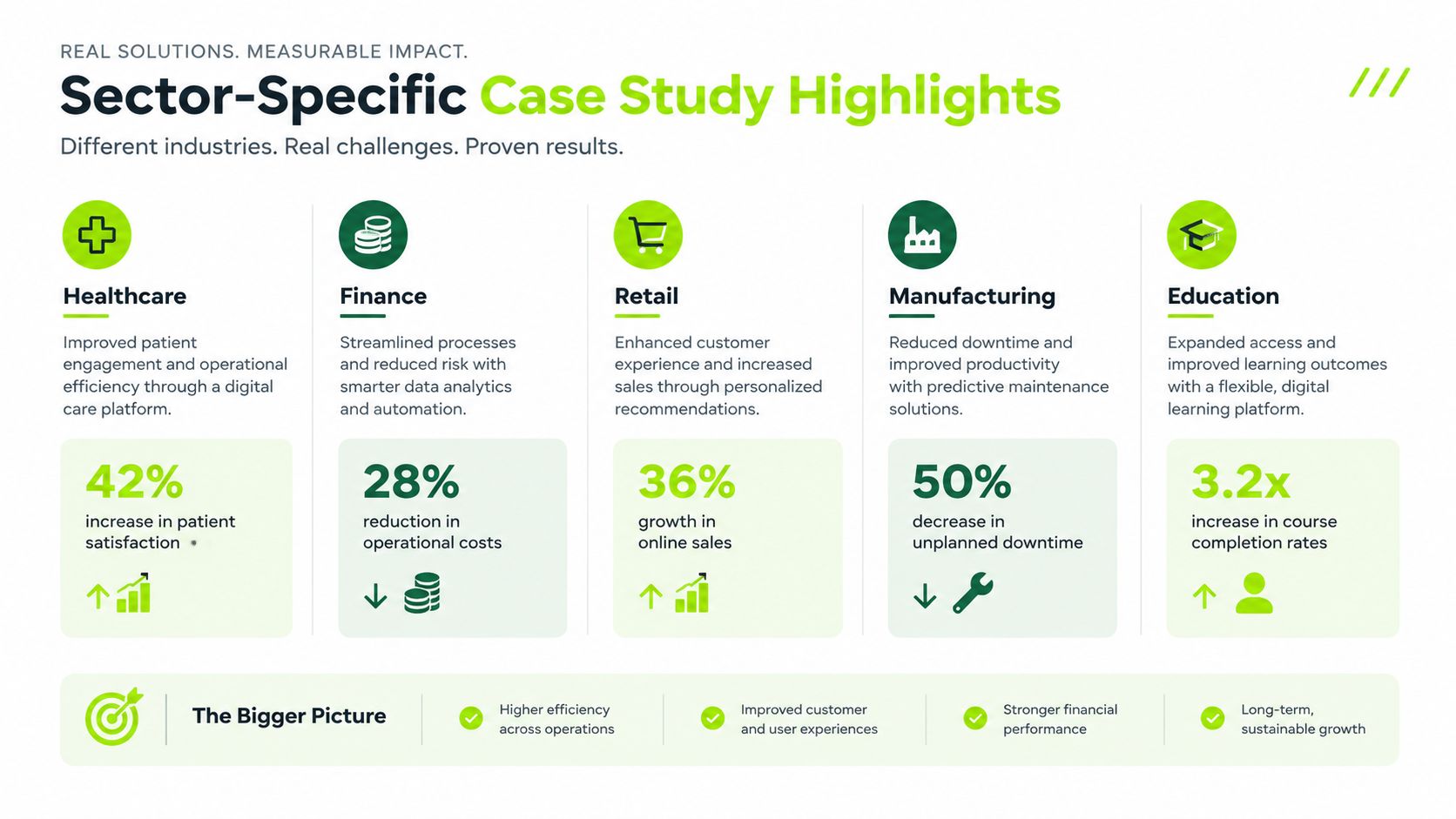
Sector-Specific Case Study Highlights
Scale changes the software question. A single-site club may begin with membership enquiries and visitor bookings, while a multi-site operator needs consistent data definitions, central reporting, local ownership and communication at volume.
Get Golfing adopted HubSpot CRM in 2018 and, within four years, used it across 9 golf courses to manage 160,000 contacts, 5,500 members and more than £14 million in revenue. In 2022, 30 sales seats supported nearly 4 million marketing emails. These figures come from The Revenue Club's Get Golfing case study.
What the example demonstrates
The important lesson isn't just the size of the database. The example combines membership management, email automation and sales pipeline visibility across multiple golf courses. That combination turns the CRM into an operating layer for acquisition and retention, rather than an outbound marketing tool used by one department.
A central system can provide group-level reporting while allowing each site to manage its own prospects and customer relationships. Management can compare pipeline health, communication activity and revenue without asking teams to assemble separate spreadsheets. Local staff can still preserve the character of each course, provided the data model and core workflow remain consistent.
The scale also exposes the need for governance. A large contact base requires clear definitions, sensible segmentation, permission management and rules for duplicate records. High email volume demands disciplined audience selection and content management. More automation doesn't remove the need for commercial judgement. It makes weak rules operate faster.
Applying the lesson to smaller clubs
A smaller club shouldn't copy a multi-site configuration wholesale. It should copy the principle of one visible commercial journey.
Start by connecting the enquiries that matter most to a named owner and a revenue outcome. Then add the next process, perhaps visitor reactivation, society follow-up, new-member onboarding or event sales. The system should expand as the team proves that each workflow is being used and measured.
This principle applies beyond golf too. Readers comparing how automated systems support smaller businesses may find the examples in AI agent results for pymes useful for understanding the relationship between automation, human ownership and measurable outcomes. The software still has to fit the club's staffing model, brand, customer expectations and commercial priorities.
The sustainable model is attract, nurture, convert and retain. Demand generation without a conversion system creates waste, while a conversion system without enough demand cannot create growth. Golf club marketing software earns its place when it gives the board and the operating team a shared view of that whole journey, from the original source through to membership, repeat bookings and ongoing customer value.
GolfRep helps golf clubs map their commercial journeys, connect acquisition with CRM follow-up, and build practical systems for membership, visitor, society and event revenue. Visit GolfRep to discuss where your current process loses visibility and how a more accountable software setup could support the next stage of growth.
Ready to tap into our proven growth system?